99% Invisible – Week Four.

Image result for 99% Invisible

Full Series: https://99percentinvisible.org/episodes/

The Kickstarter-funded American local radio and podcast series “99% Invisible“, created by PRX Inc, is a series that covers various different aspects of American life, from Architecture and Infrastructure to Technology and History, hosted by the creator and editor Roman Mars. The Kickstarter project for series three first released on July 11th, 2012 and lasted until August 10th, 2012, raising $170,477 whilst their target was only $40,000 (99% Invisible Season 3 Kickstarter Project, 2012).

The series of podcasts focus on life around San Fransisco and Los Angeles, and in the 279th Episode “The Containment Plan”, it talks about Skid Row and how the location plays a part in LA’s modern day life. From shopping carts to children playing and the stench of urine that reeks the 50 blocks of Skid Row, the episode talks about what it’s like to be in the area. Unlike most places in downtown Los Angeles, it’s evident that Skid Row is a grim place from what is described by residents of the place.

Following on from the third series that gained over four times the amount needed, in November of 2014, PRX and Mars turned again to Kickstarter to fund their podcast collective/network Radiotopia, hoping to raise $250,000. They raised $620,412 within the thirty-day campaign and became the most-funded radio/podcast project in Kickstarter history (Direct Support Guide, 2015).

Mars has been using Kickstarter as his call to arms, creating a flurry of PR, which has resulted in new listeners tuning in with each new series being broadcast. Since then, he has been creating longer episodes from the mere 5 to 10-minute ones in earlier segments that are carefully conducted to give off a certain vibe (Maly, Wired 2012), and each episode gets better and better with a new topic of interest, making the Kickstarter project a major success.

References

Video Game High School – Week Four.

Image result for video game high school

Full Series: https://www.youtube.com/playlist?list=PLsMtUWKCmBPRf6hnJ77qEXBGi0BVeR9e9

The Kickstarter project “Video Game High School” (abbreviated as VGHS) by is a YouTube series first broadcast in 2012. The Kickstarter project was first uploaded on September 21st, 2011 and lasted for 30 days, where it raised over $250,000 for the first series, whilst the original goal was only $75,000. The series is described by the creator Freddie Wong as an “action/comedy series” that focuses on “surviving in high school, fitting in, and landing the perfect headshot” (Video Game High School Kickstarter Campaign, 2011).

The opening two episodes of the first season establish the setting and the universe the series is set in, showing just how expansive the series is aiming to be (Barr, Forbes 2014). We are introduced to the main protagonist, Brian “BrianD” Dohney, and how he was enrolled into the elite VGHS, after defeating the number one amateur video game player. Its unique storyline and universe setting blend both real life and video game footage to create a world that engages audiences into believing how seamless reality can become a video game based life.

Following on from the first season, which had an average episode run time of 14 minutes, VGHS had the episodes extended to an average of 35 minutes and then 45 minutes in the third and final season (Google Analytics, 2014). Furthermore, with more backing and more fundraising, the series improved in terms of the dialogue, which at times was weak and clichéd last season, the better and is now one of the show’s strengths alongside the acting, set design, graphics and directing (Mendieta, Adweek, 2013).

Overall, the Youtube-Kickstarter action comedy series was a series that was both engaging and something that would not be seen on regular television. It’s storylines, setting and characters are relatable to a modern-day young adult audience and the topics involved are a mixture of down to earth and slightly far-fetched to give the drama aspect to the series.

References


The Heavy Toll – Week Three.

Image result for Heavy Toll radio 4 extra

Full Episode: https://soundcloud.com/tabitha-kermit-konstantine/heavy-toll

BBC Radio 4 Extra’s Documentary Programme “Heavy Toll” is a short broadcast documentary that talks about two perspectives of what happened to a person who committed suicide on the edge of the train track. It was picked up by Radio 4 Extra as part of their remit at the time to schedule some original content, particularly of types of output rarely found on BBC Radio (BBC Radio 4 Schedule, 2016).

The ten-minute documentary expresses the raw emotion of witnessing and reacting to the suicide in both a professional and personal matter. The two main people involved were Collette, who was working in the carts as a guard, and George, who was driving the train. Listening to their stories and how they reacted both on a personal level and how they must react and act upon what has happened on a professional level, it makes listeners symphasise with their situation as it is real life and something people would never believe they would find themselves in. This type of broadcasting is one of the areas Radio 4 Extra focuses on as it involves entertainment, factual and discussions throughout the mostly speech-based radio station (BBC Radio 4 Information for Suppliers, 2017).

The documentary was produced by a Salford student called Tabitha Konstantine, and was awarded the Gold Award in the Charles Parker Prize for her grim narrative that was powerful and emotional (Charles Parker Prize Archive Trust, 2017). The quality was well received and BBC Radio 4 Extra broadcast the ten-minute segment along with the other three award winners in a special one hour slot, to give the recognition the talent deserves.

Heavy Toll” was a hard listen, but one that enlightens listeners to the struggles train staff go through because they cannot simply stop to save a life, and as said by George and Collette, they had to continue their daily lives. This broadcast was heartfelt and meaningful and worthy of the recognition both professional and regular listeners gave it.

References

Kicked Out: From Care to Chaos. Week Three.

Image result for Kicked Out: From Care to Chaos

Full Episode: https://www.youtube.com/watch?v=lRrUrgrFwsk&feature=youtu.be

BBC Three’s Documentary Programme “Kicked Out: From Care to Chaos” is a one episode documentary that focuses on teenagers and young adults falling into a chaotic life after they leave care at the age of 18. The show discusses how teenagers, who turn 18, don’t have the support they should have and resort to sex work, sleeping rough and in some cases become prison inmates (Blakeway North, 2017). 

Within the episode, it covered three people and their journey through life outside and inside the care system. The documentary featured Coral, who was seventeen and was moving from place to place and in heated arguments with her carers. Liam, who was twenty and living with an activist group as a squatter. Finally, there was Tyler, who was twenty-five and was trying to get into the housing system. All three of them have been in care, and have different focuses on what it’s like. Already, it’s clear the documentary follows BBC Three’s ‘priorities’ as the people they feature are between 16 and 35, as well as being risky in what they broadcast (BBC Three commissioning, 2017).

The presenter also relates their situation to her own, as it is referenced how much she has suffered as a teenager through abuse and going through the care system. Her story intertwined with the three stories provide the documentary with realism and with further news coming to light about her putting education in the back of her mind (Abbit, 3rd April 2017). It makes the documentary feel real, and relatable to the audience as it comes from a person who has experienced the pain of going through social care at a young age, and not a host who can pretend what it feels like to know their pain.

References

Don’t Log Off, Stay Signed In – Week Two.

Image result for Radio 4 Don't Log Off

Full Episode: http://www.bbc.co.uk/programmes/b07knqy7

BBC Radio Four’s reality-based broadcast“Don’t Log Off” is a series where the presenter, Alan Dein, uses both Skype and Facebook to interact with various different people and learn about them and their lives. When the series first began, using Facebook, the presenter launched a post to ask for people to volunteer to be on the show (BBC World Service Facebook Page, 2013).

The broadcast follows a similar format to its predecessor, “Don’t Hang Up” which was also a success when it was originally broadcast as it was a fascinating radio broadcast that was ‘goosebumpy’ (Elisabeth Mahoney The Guardian, 2012). Each of the four episodes in the series is interconnected as the presenter listens to the stories of a group of people in four different phases. Each story is different and contains different emotions, from sadness and grief to happiness and joy, letting the listener experience variety.

Dein is presented as a figure who provides lightly intrigued sympathy (Antonia Quirke, New Statesman, 2017) to heartfelt stories which listeners align with and want to know more about the story and sympathise with the person telling the stories, similar to the presenter himself. This form of reality feels more heartfelt and real as there are no cameras to alter things, it relies on just the voice which is harder to masquerade naturally.

The lack of music, that could have been used to seperate the podcast into sections, makes the whole thirty-minute episode feel raw. Furthermore, despite being recorded in advance to cut together, it feels live and that listeners like myself want to find out more but cannot take a break to look up the story online, further making the show provide listeners with goosebumps like it’s predecessor.

References

Eden: Lost Paradise (and Morals) – Week Two.

Image result for eden paradise lost

Full Episode: https://learningonscreen.ac.uk/ondemand/index.php/prog/0F6D1310?bcast=125082291

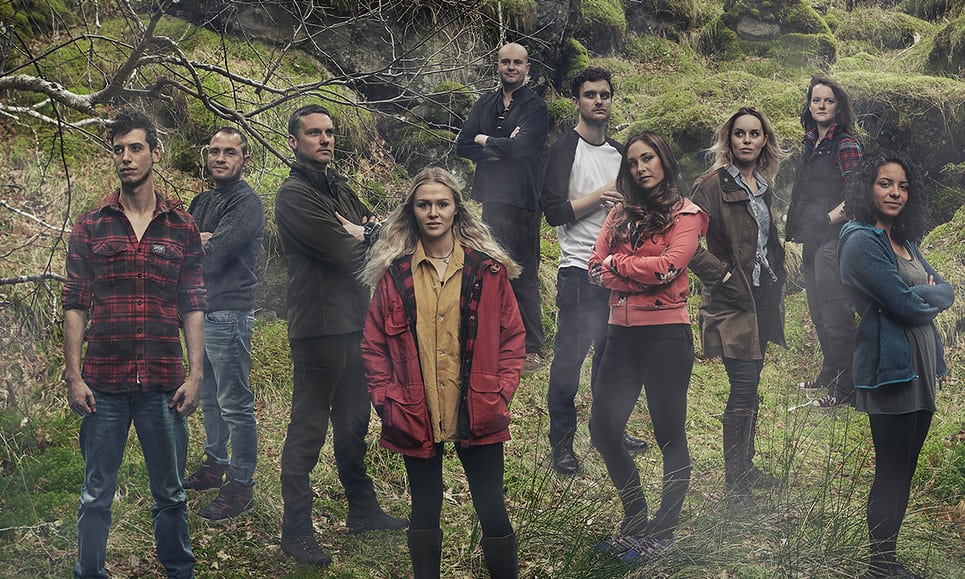
Channel 4’s reality show “Eden: Lost Paradise” is a series that shows twenty-three men and women being isolated on an island. With nothing but their wits, they must create a community within a whole year that people can live and socialise within.

As the episode plays out, the narrator reveals that they have been on the island for three months. Furthermore, the gender dynamics have shifted from an equal split, to now a 2:1 ratio of men and women, already suggesting the situation on the island is tense as the group remain in the wilderness, arguing, wanting stable food and going “quietly cuckoo” (Phil Harrison, The Guardian, 2016).

The show is darker, however, it could largely be because the 10 people who stuck it out to the end gave a whole year of their lives to what they thought would be a demonstration of resilience and a back-to-basics examination of how people work. (Nicholson, The Guardian, 2016). This concept, as controversial as it may sound, it does follow the remit Channel 4 prides itself upon, especially with how they like to take “bold creative risks” (Channel 4 Remit). Despite it following part of their goals, the show is evidently distasteful due to it being pulled from scheduling thanks to low ratings as they fell from 1.7 million to 800,000 over the four episodes (Peter Swindon, Herald Scotland, 2017) that were broadcast to the public back in 2016.

Similar shows to Eden: Paradise Lost are CBS’s Survival and Bear Gryll’s the Island shows, which both are Reality-based, but they are more successful as they’re still being broadcast and have popular clips on YouTube (SurvivorOnCBS | Channel4, YouTube 2017) unlike Eden: Paradise Lost.

It was clear that Eden isn’t the Paradise people watching expected.

References


Fighting Talk with Other Bits of Talk – Week One.

Image result for Fighting Talk

Full Episode: http://www.bbc.co.uk/programmes/b095p6m7

BBC Radio Five Live’s sporting and political discussion panel “Fighting Talk” is a series that talks about the main topics of the week each Saturday at 11am for an hour each week. On the panel I listened to, there was a variety of different personalities that bounce off each other well to create an entertaining and interesting series.

Alongside the host, Colin Murray, there was Liz Kershaw – a BBC Radio 6 Presenter, Greg Brady – a Canadian sports broadcaster, Dougie Anderson – a writer and broadcaster and Iain Stirling – a comedian. The lineup follows the rule of booking two broadcasters/journalists [in this episode, it being Brady and Anderson], one comic [Stirling], but does not follow the line up with terms of having a sportsperson. According to the producer, it’s not a strict rule, but they rarely have two comedians on the pundit. (BBC Radio Five, Fighting Talk FAQ Page).

The topics covered in the broadcast varied from a quick mention like Luis Suarez’ broken rib to Donald Trump’s “controversial” comments about the anthem and players not standing to it. This variety allowed a bit of humour to slip through, whilst also keeping it interesting and highlighting controversial topics for the pundits to express their different opinions on the stories at hand.

Sometimes, however, comments on the show were a bit too harsh and looking into it, it was intentional. This is due to the satirical nature the round, Defend The Indefensible, has, it even prompts Murray to call it a “mockery of idiot views” (John Plunkett, The Guardian 2013). Despite this, the lighthearted attitude between the host and guests on the show are used well to cover up the bitterness the topics are liable to leave behind.

It is a reason why the series has been going on for 15 series as Murray commented at the beginning of the show, they are serious, but they still have a laugh in the process.

References

People Just Do Nothing (besides host a radio show) – Week One.

Image result for people just do nothing

Full Episode: http://www.bbc.co.uk/iplayer/episode/p043m903/people-just-do-nothing-series-3-1-dubplate

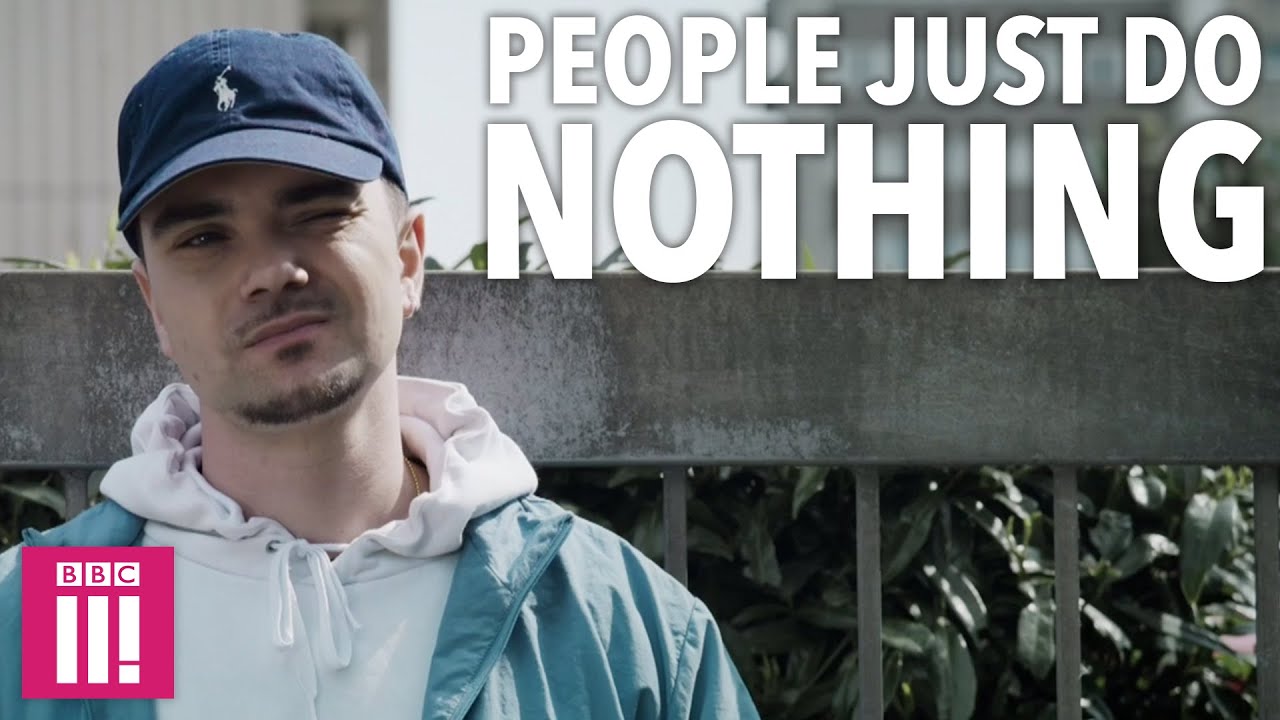
BBC Three’s sitcom-mockumentary “People Just Do Nothing” relies on the satirical humour backbone it has to create an opening episode that new and old audiences can tune into to open up the third season of the rising popularity of the series. The series is created by “unknown talent” (Michael Hogan, The Telegraph 2017) that is also “carefully nurtured by the corporation’s experienced comedy producers”. (Michael Hogan, The Telegraph, 2017) and it allows audiences to witness new, fresh talent whilst it being guided by experience.

Throughout the thirty minute show, the plot presents audiences with three main story threads to tune into for the season. These being the “rise” of Kurupt FM, the wedding between the ‘main’ character Grindah and Miche and the studio’s “manager” Chabuddy G and his failed love life and managing career. These three storylines all intertwine well and keep audiences engaged and interested, despite the different storylines covering different topics between them. But what I noticed was the majority of the episode focused on how Kurupt FM worked on their fame, which was a regular theme throughout the series, and not just season three.

This main theme narrows in on a niche audience which replicates the setting of the “niche subculture” (Rachel Aroseti, The Guardian, 2016) the series is set in. Although despite how niche the series appears, the series has done a great deal for the sitcom genre as it has achieved things some sitcoms merely dream about as it has gained a “two-series commission” (Rachel Aroseti, The Guardian, 2016) in that same year, making it a rare achievement and gives audiences a clearer future for the hit sitcom series.

Even if it “started life as a YouTube series filmed by Chaudhry” (Sally Newall, The Independant, 2016), the show has become popular and the seasons are improving each and every time. With that in mind, an uprising series like this is worth watching, even if you have no idea what they’re saying half the time.  It is funny, and it is a breath of fresh air for sitcoms, whilst also keeping the standard features to remind viewers and critics alike that it is a sitcom.

It just breaks the standard rules for that extra effect.

References.